









In 2026, The Fine Art Society marks its 150th anniversary with a major exhibition celebrating the gallery’s extraordinary legacy of championing artists, makers and movements ahead of their time. The Fine Art Society at 150 brings together an ambitious selection of paintings, sculpture, decorative arts, textiles and design spanning the Victorian period to the present day, reflecting the breadth, offbeat and vision that have defined the gallery since its founding in 1876.
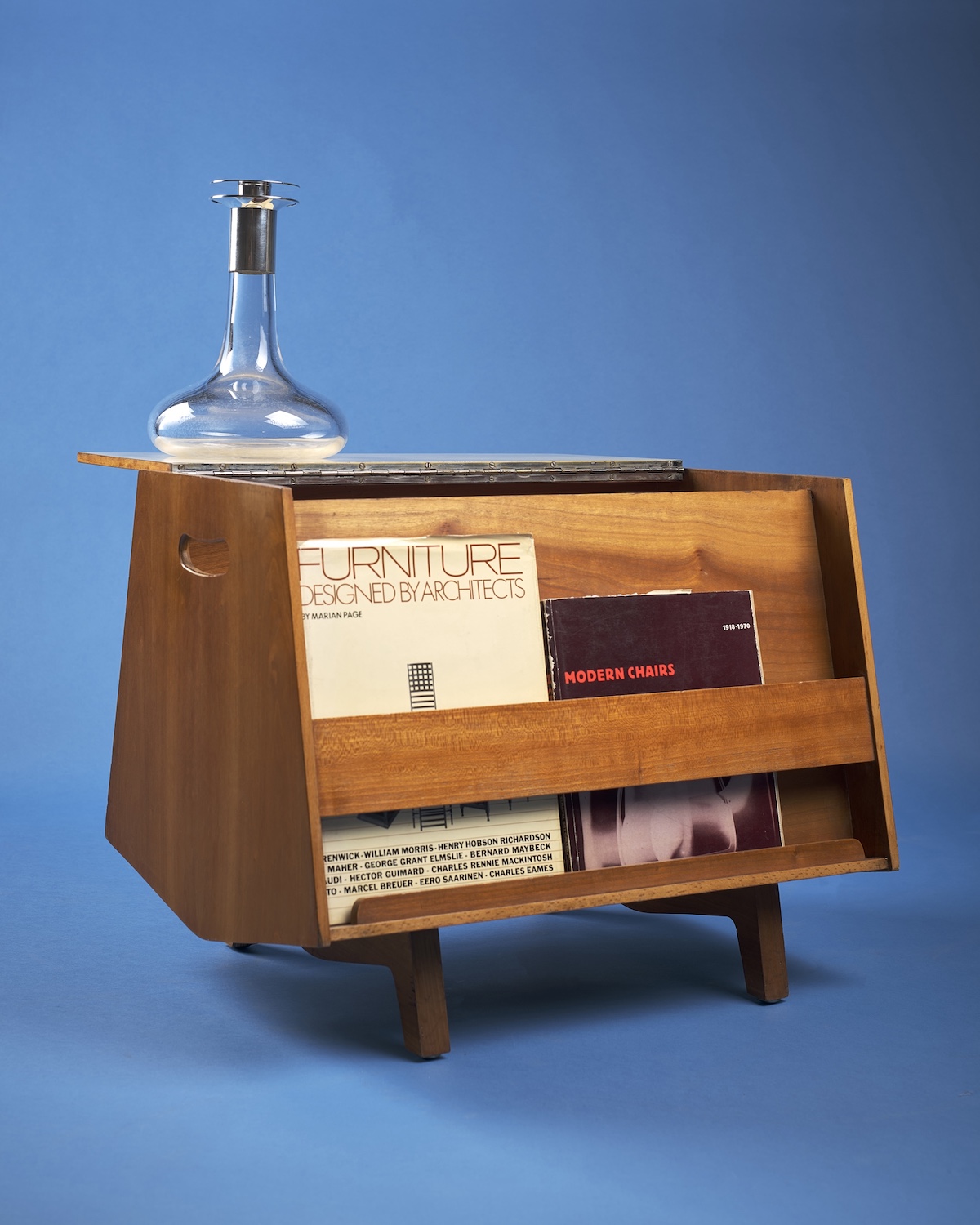
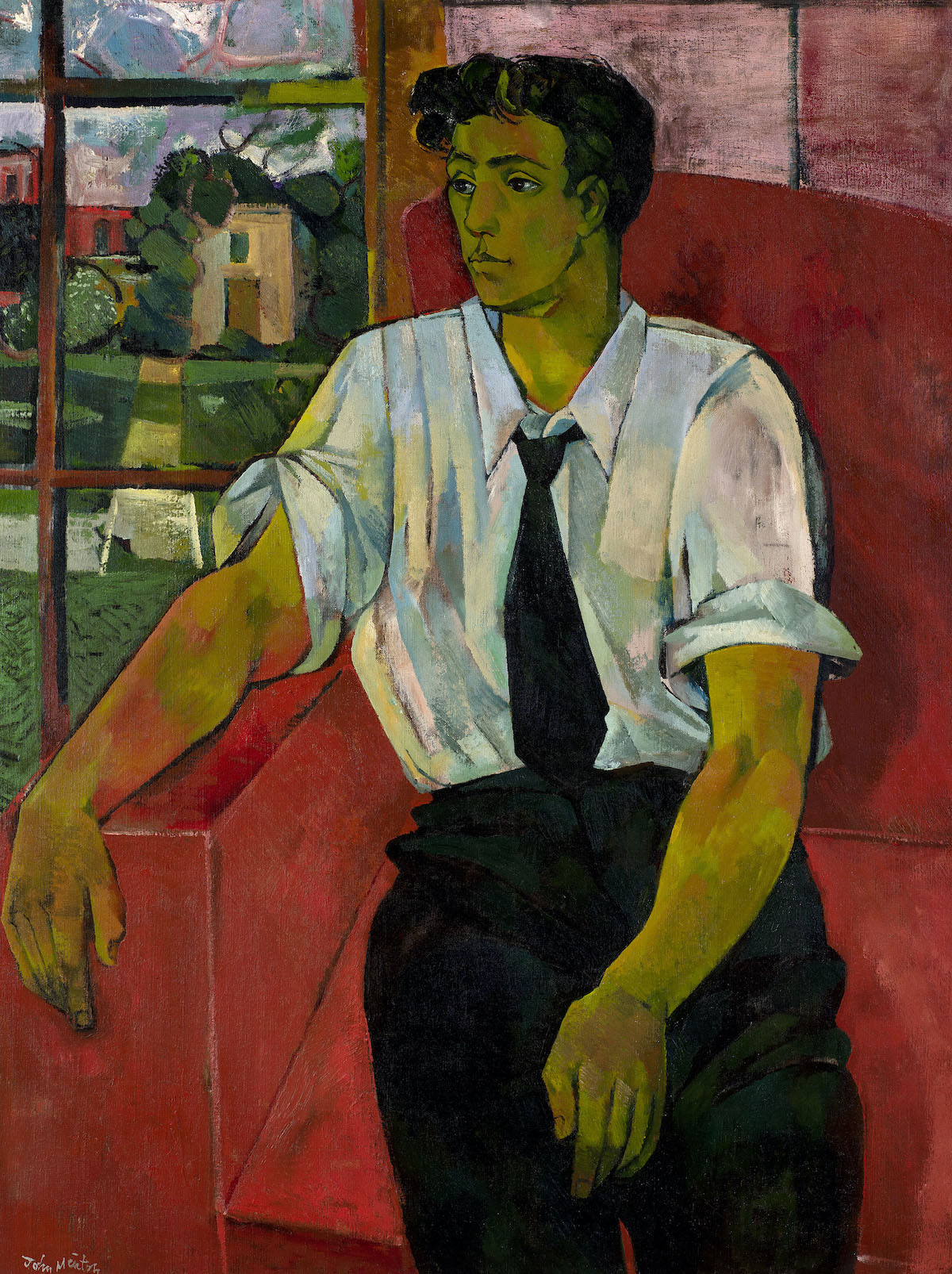
Drawing on the gallery’s rich history while firmly engaging with contemporary practice, the exhibition includes works by James McNeill Whistler, Jacob Epstein, Graham Sutherland, John Brett, Eduardo Paolozzi, Peter Blake, Anne Redpath, Clare Atwood, Gerald Laing, Philip Eglin and Ishbel Myerscough, alongside important examples of Mid-Century furniture, Arts & Crafts and Neo-Gothic design.
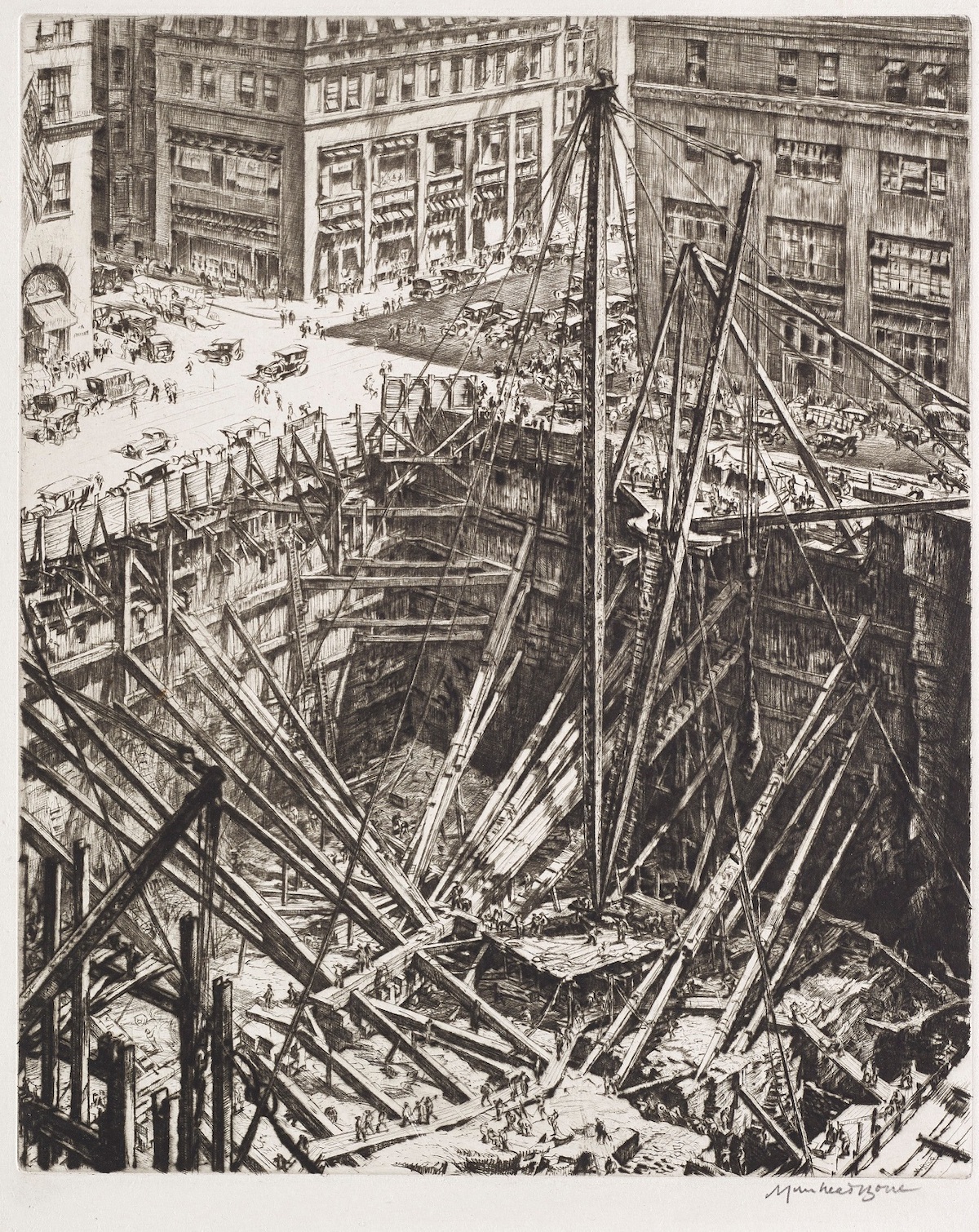
At the heart of the exhibition is a remarkable group of early 19th-century etchings by James McNeill Whistler from a single-owner collection. Whistler, who is known as a key figure in the creation of the modern print market, revolutionised printmaking through his signed, limited-edition etchings and radical approach to display.
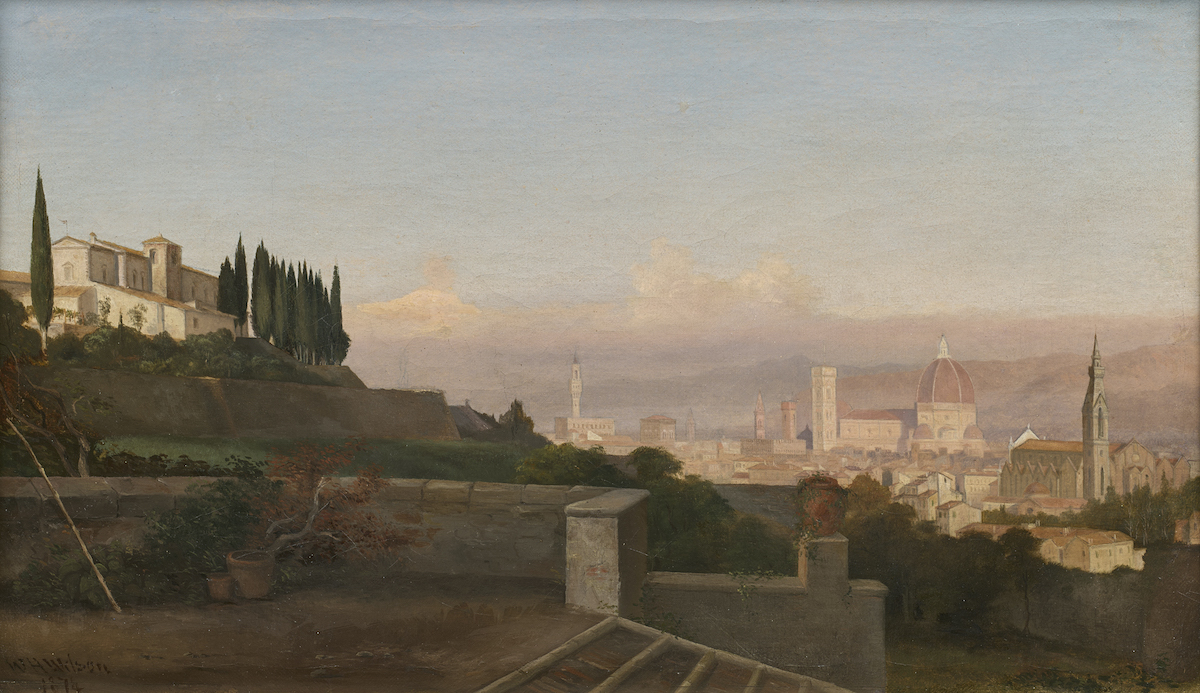
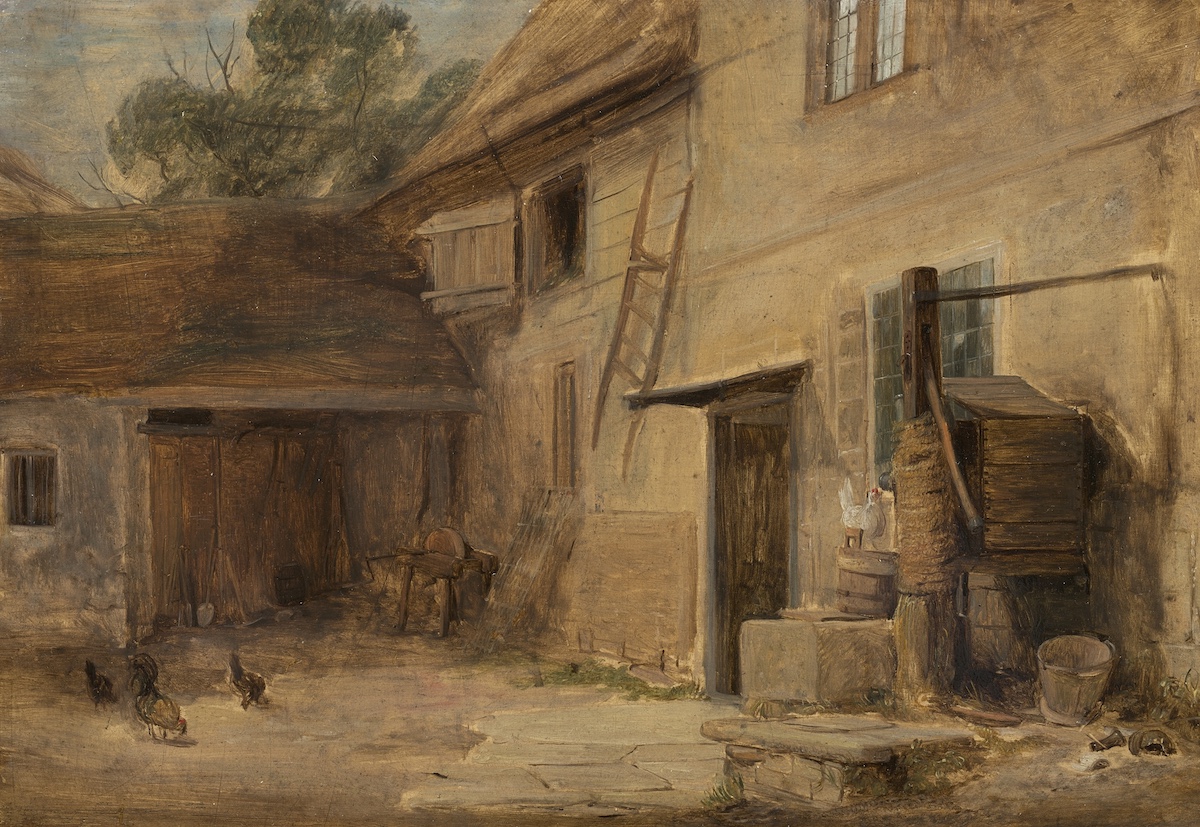
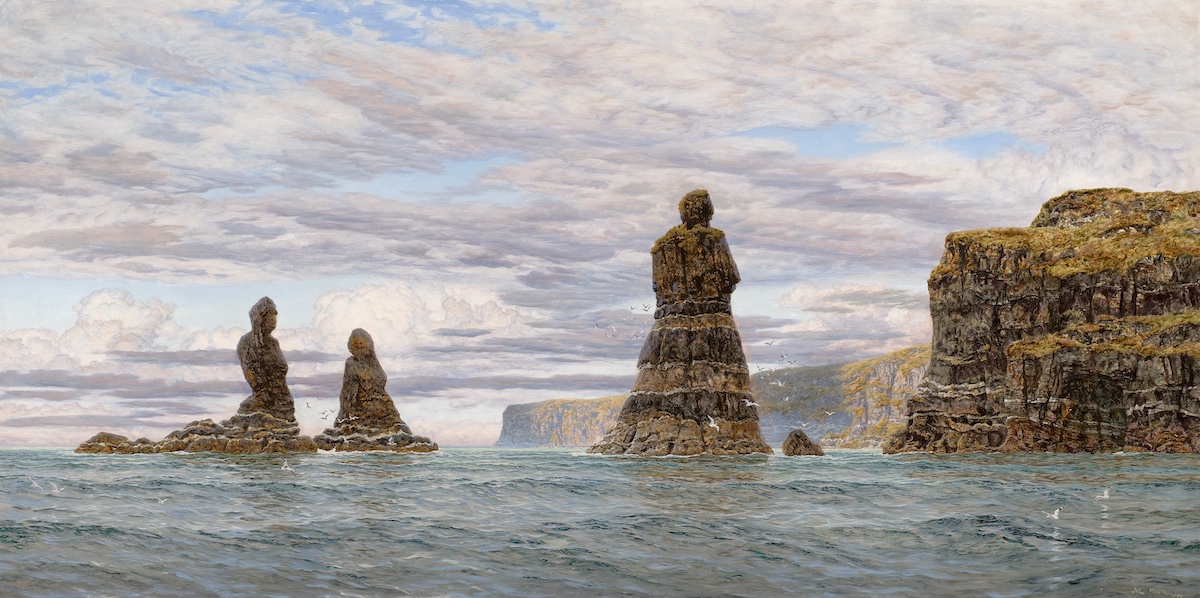
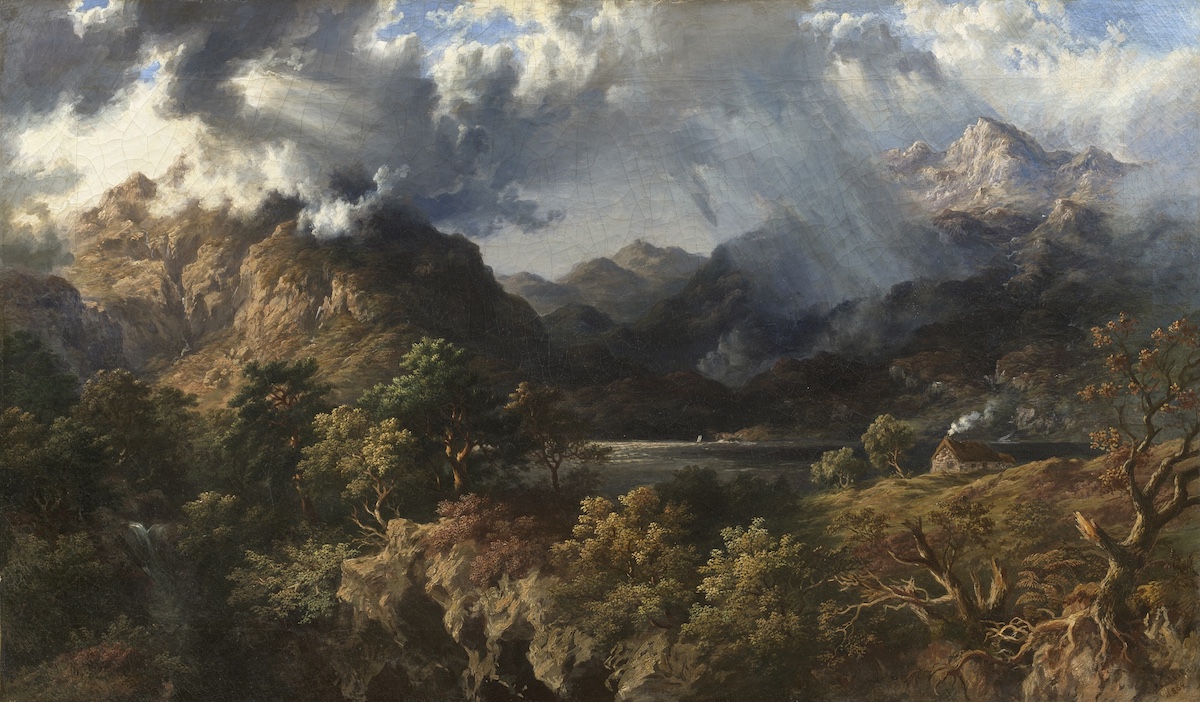
Among the exhibition’s highlights is an imposing and rare landscape by the Pre-Raphaelite painter John Brett, whose highly detailed and visionary works helped redefine Victorian landscape painting. Further landscape works include Sir David Young Cameron’s dramatic rendering of Scotland’s rural scenery.
The exhibition places a particular emphasis on artists whose contributions have historically been overlooked. A striking painting by Clare Atwood, The Terry Family, Four Generations (1953), explores the intertwined worlds of theatre, modernism and queer history. Atwood – partner of theatre director and producer Edith ‘Edy’ Craig – was closely connected to the pioneering avant-garde theatre collective The Pioneer Players, for whom Craig staged more than 150 productions. The work offers a fascinating glimpse into one of the most progressive artistic and theatrical circles of early 20th century Britain.
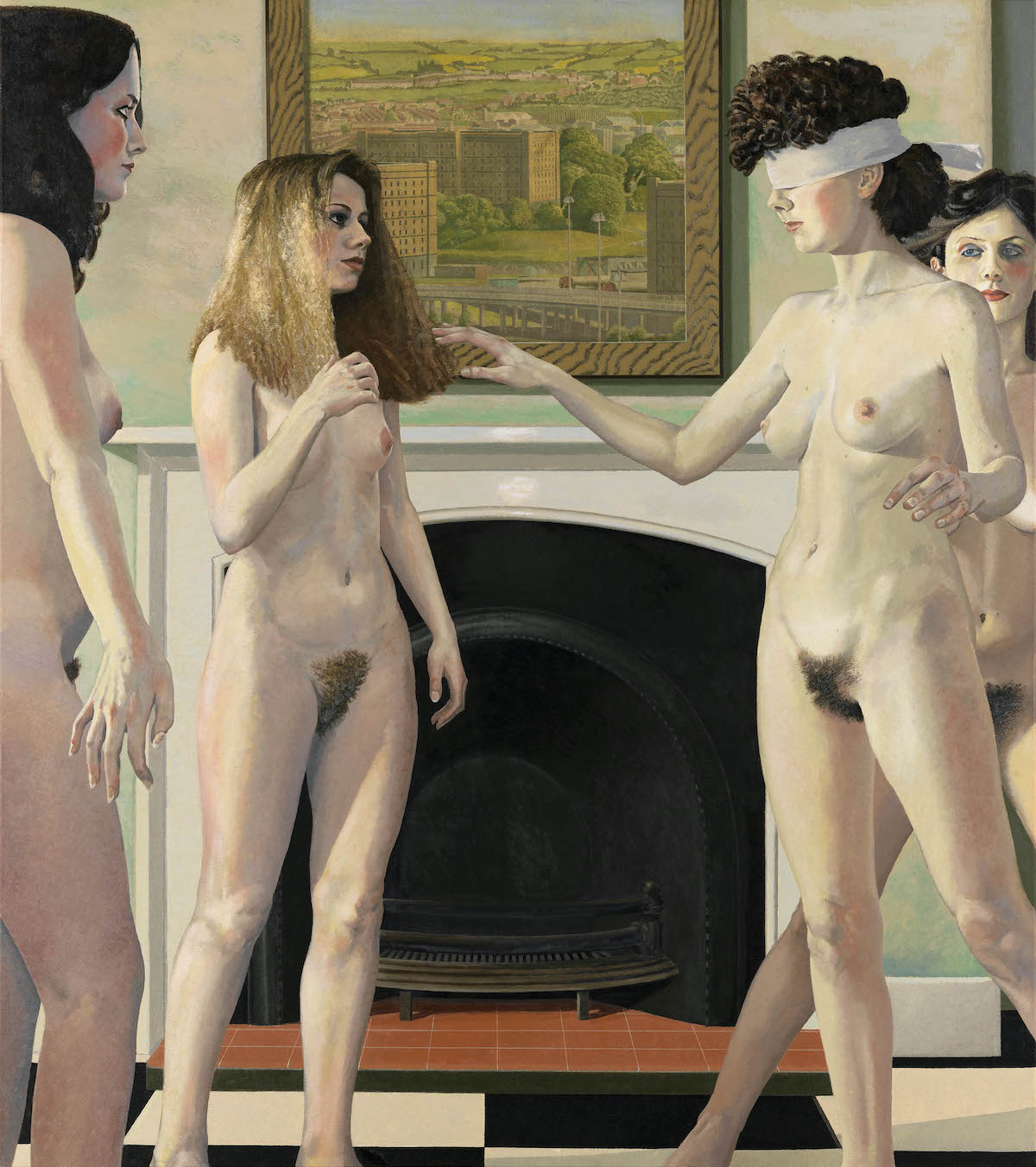
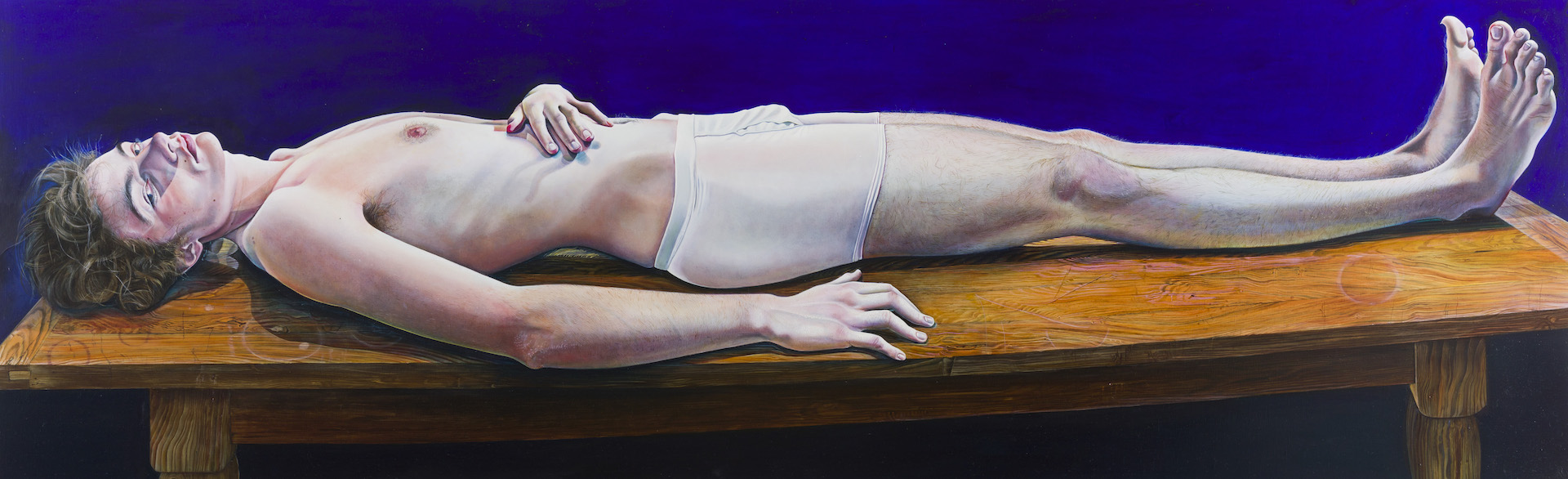
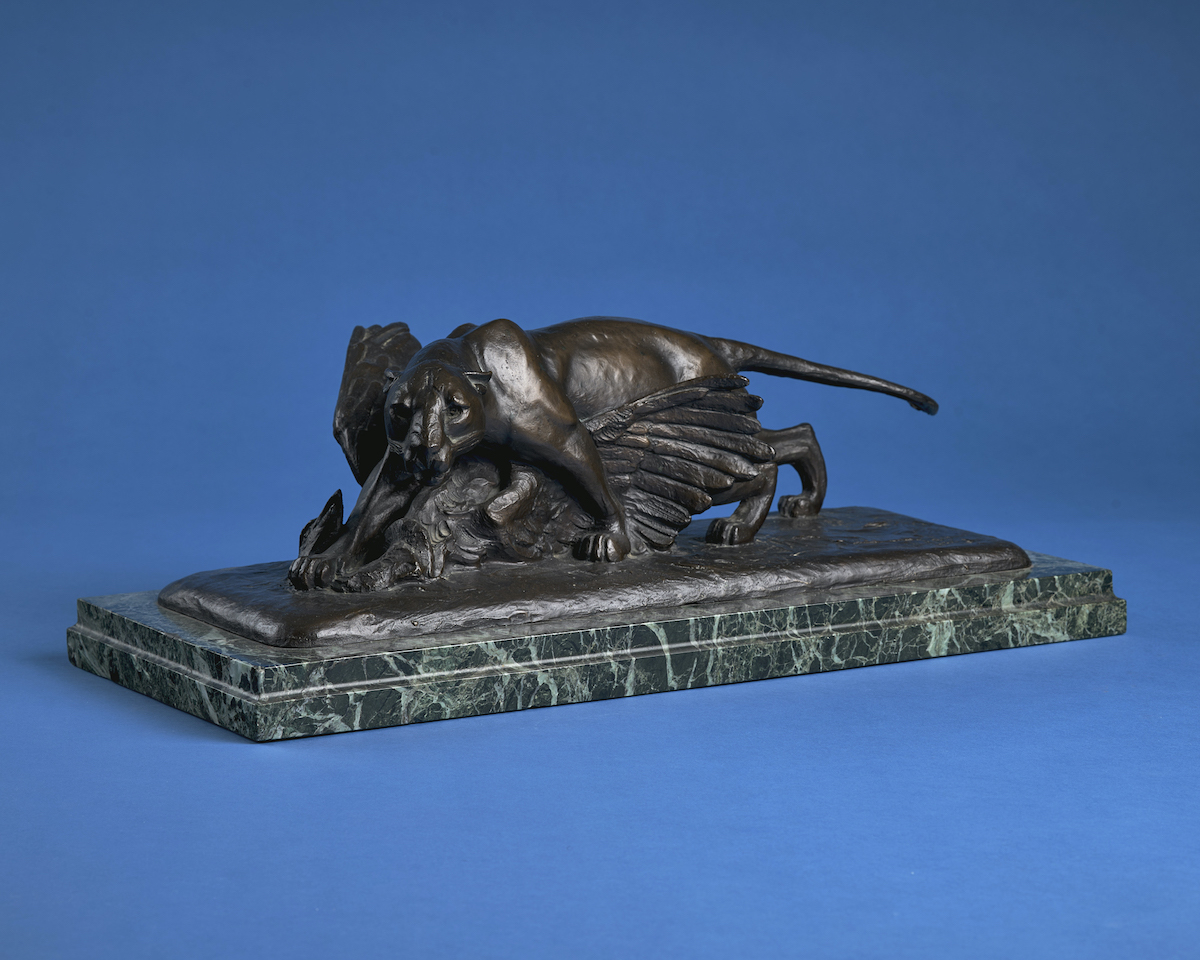
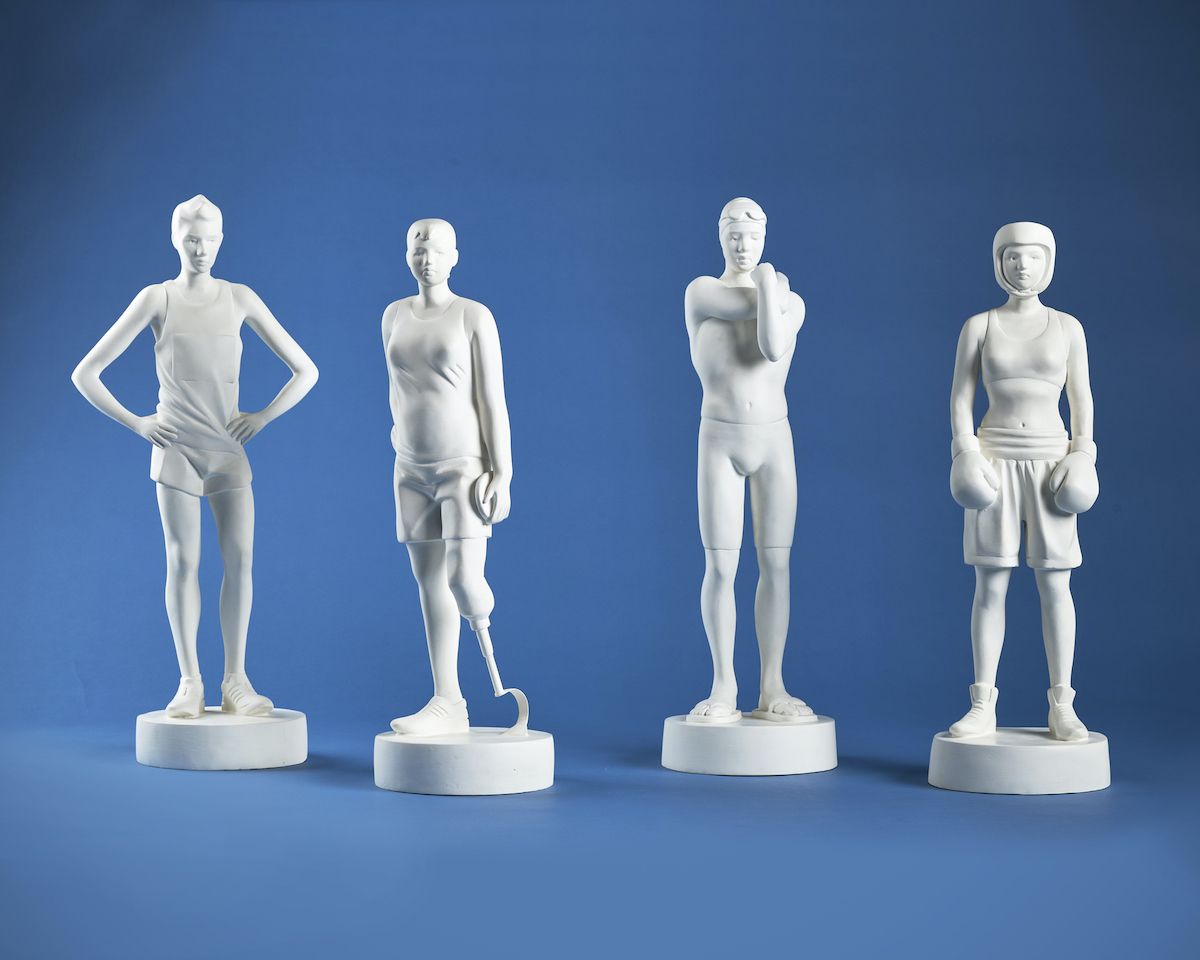
Also featured is sculpture by Phyllis Bone, the pioneering Scottish artist celebrated for her public commissions, including animal sculpture associated with war memorials and civic architecture. Bone is presented alongside other important female artists championed in the exhibition, including Anne Redpath, Betty Blandino and Ishbel Myerscough. Myerscough’s monumental
Kitchen Table is one of the exhibition’s contemporary centrepieces that captures the human figure with characteristic precision.
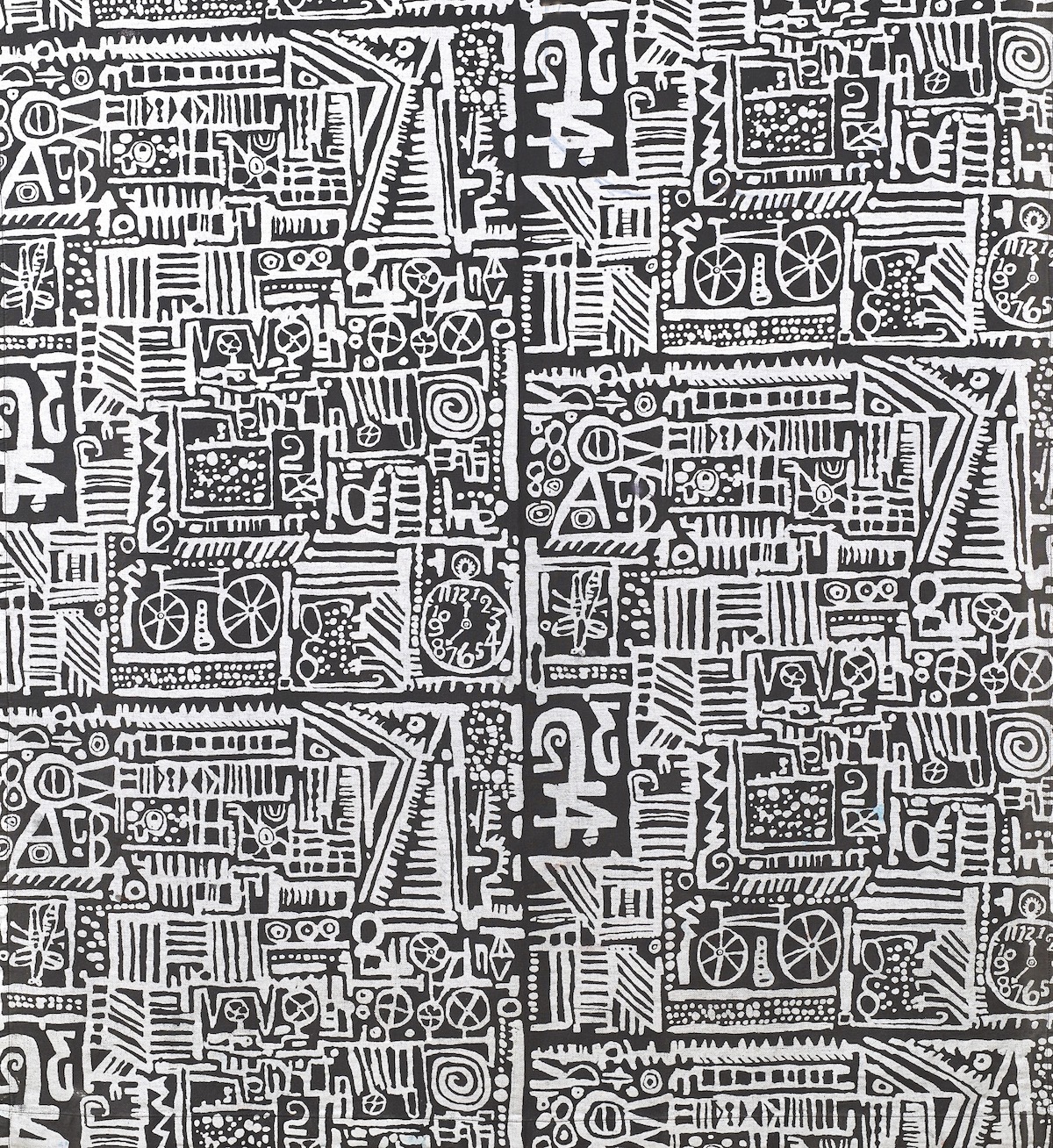
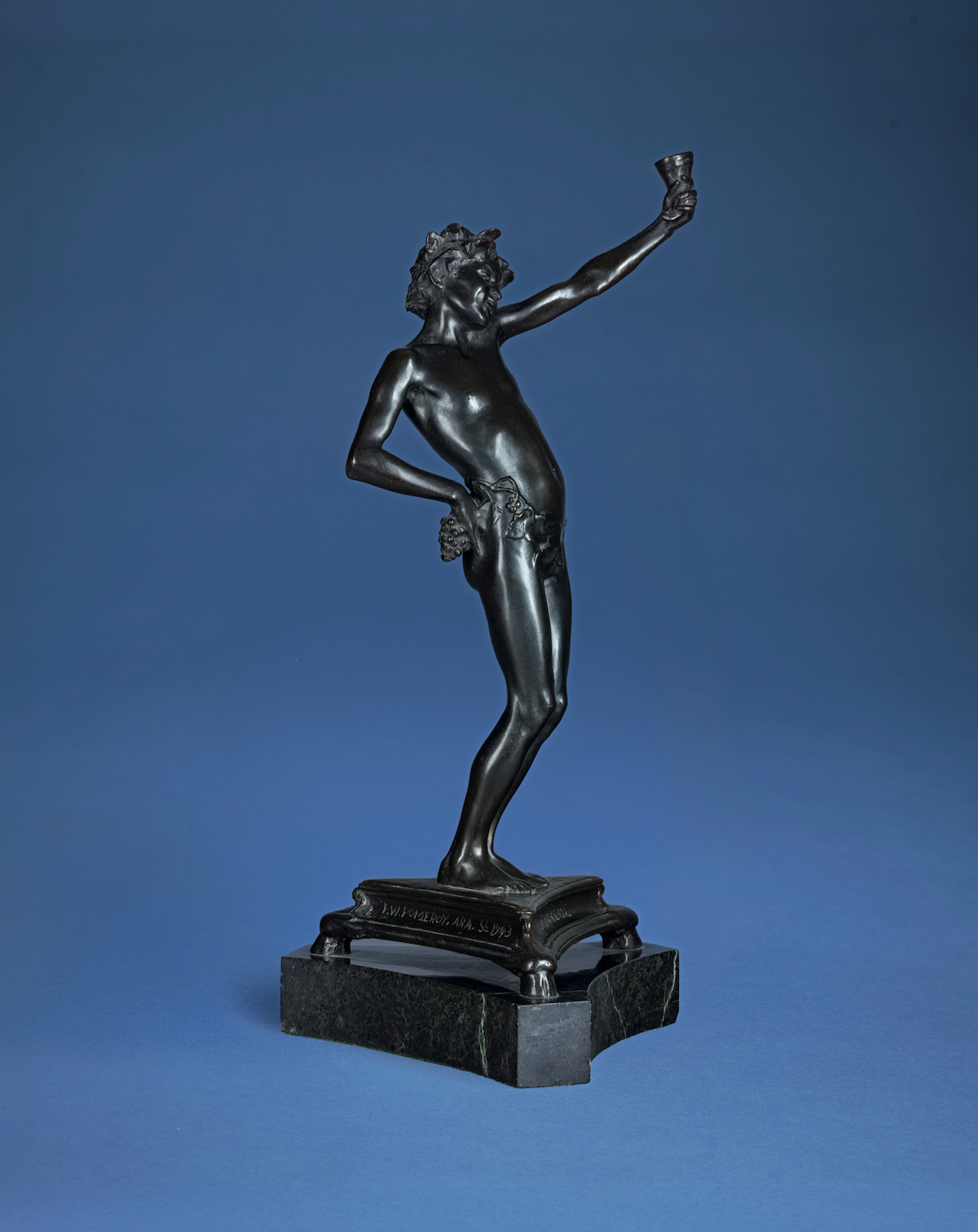
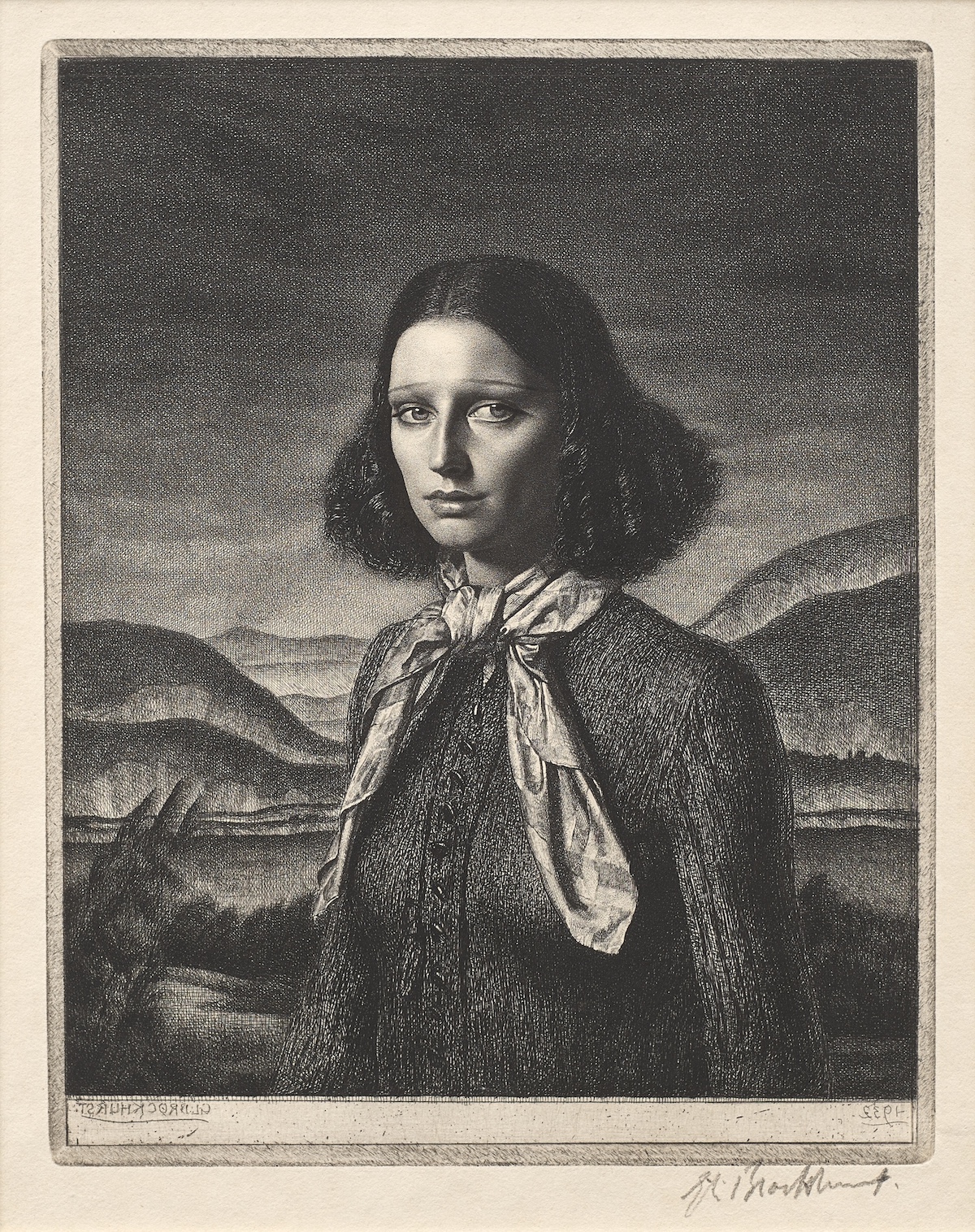
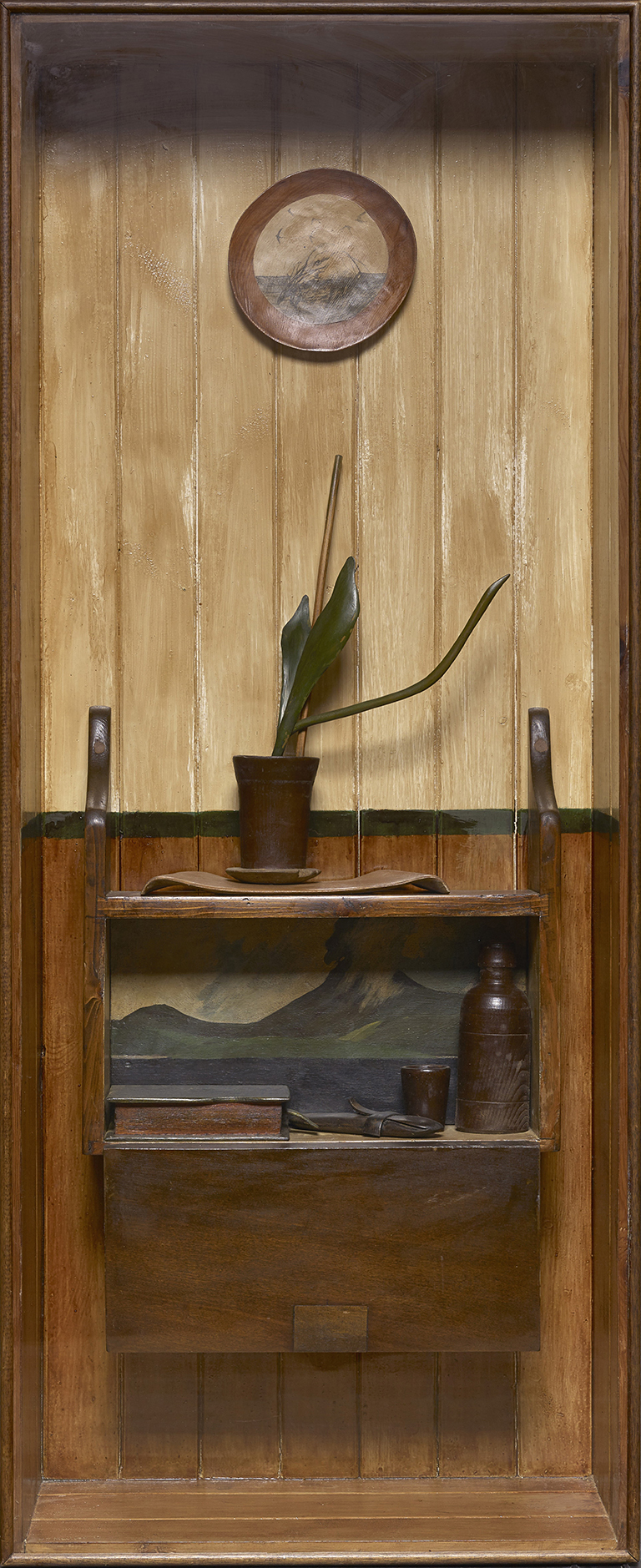
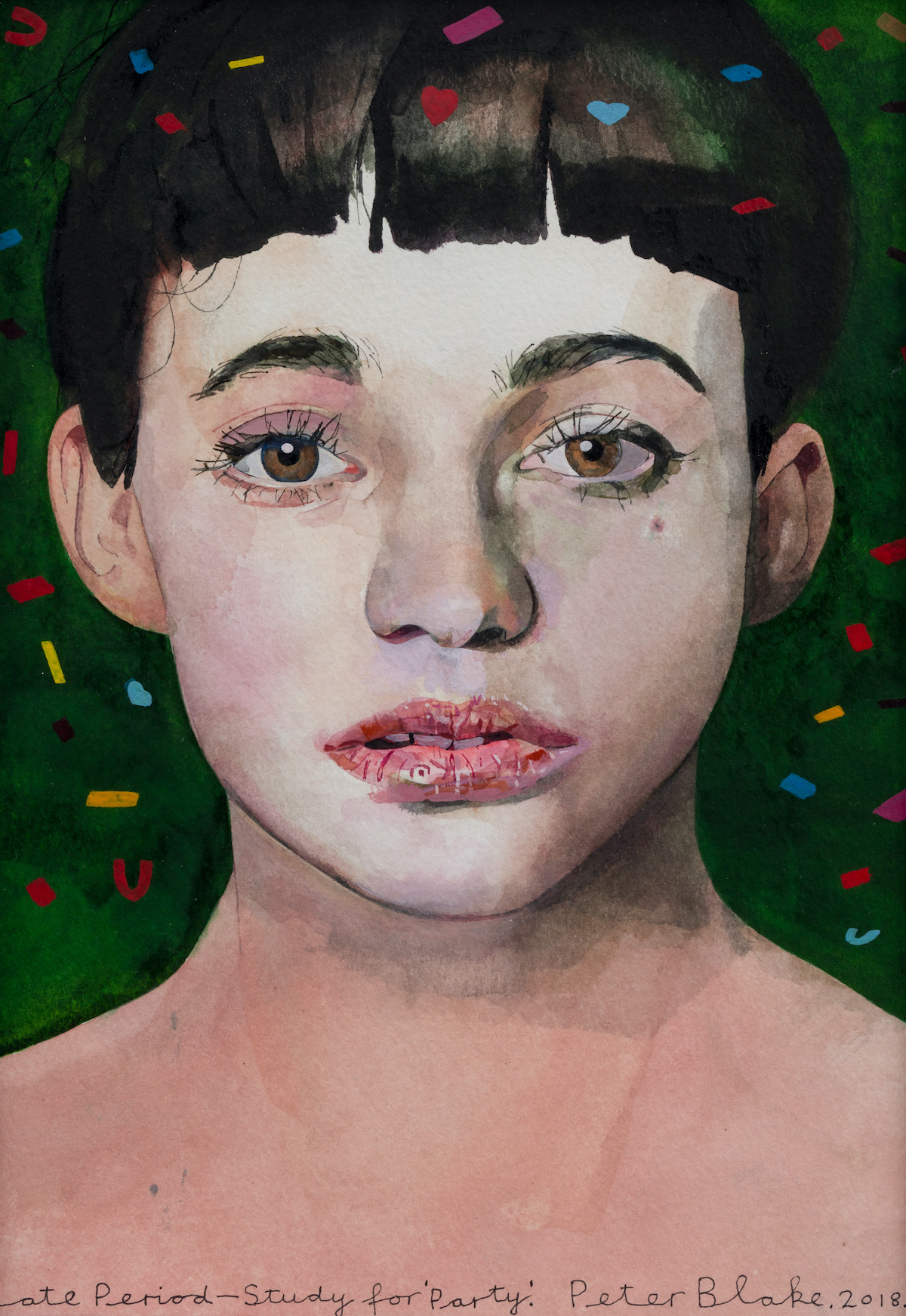
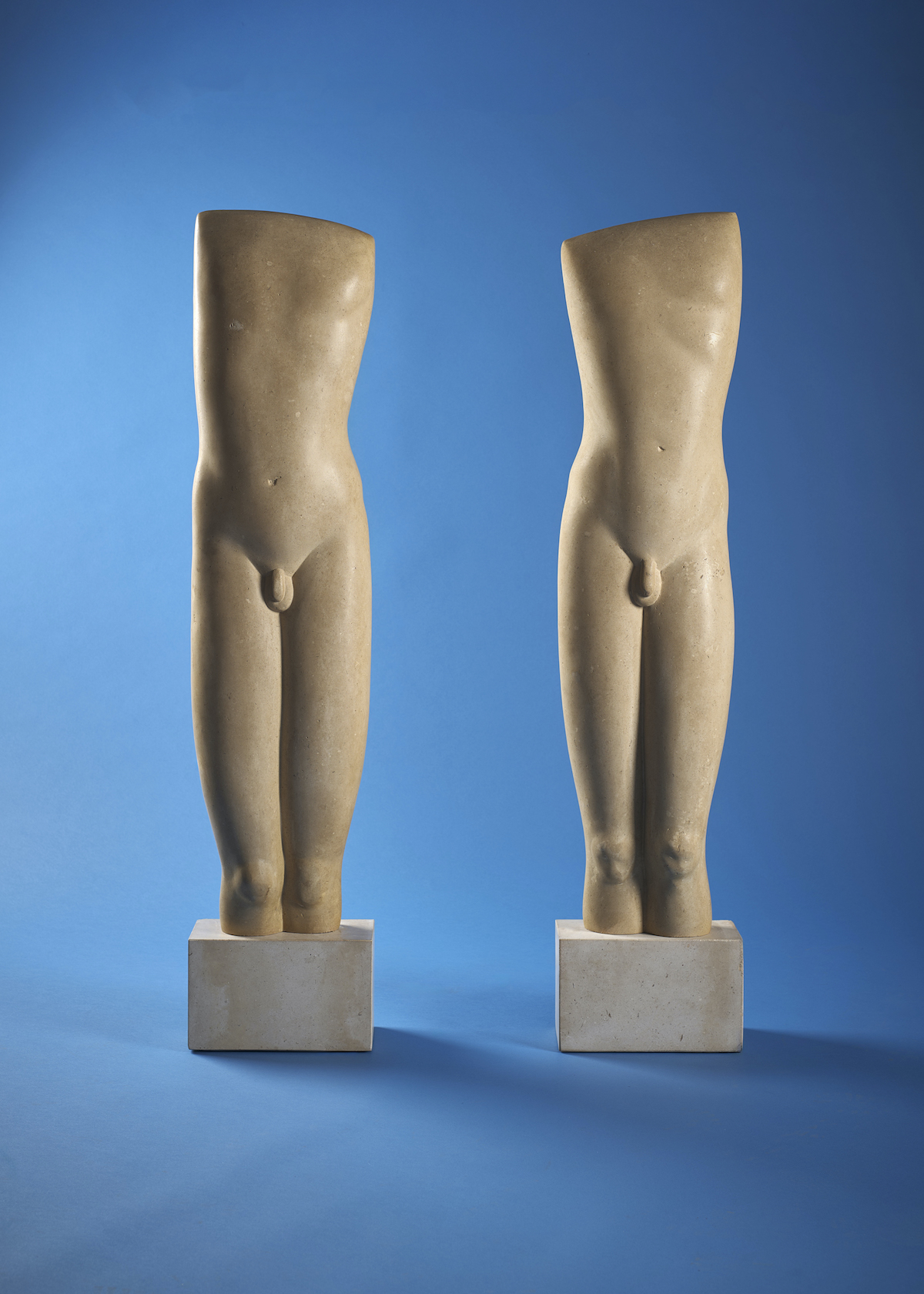
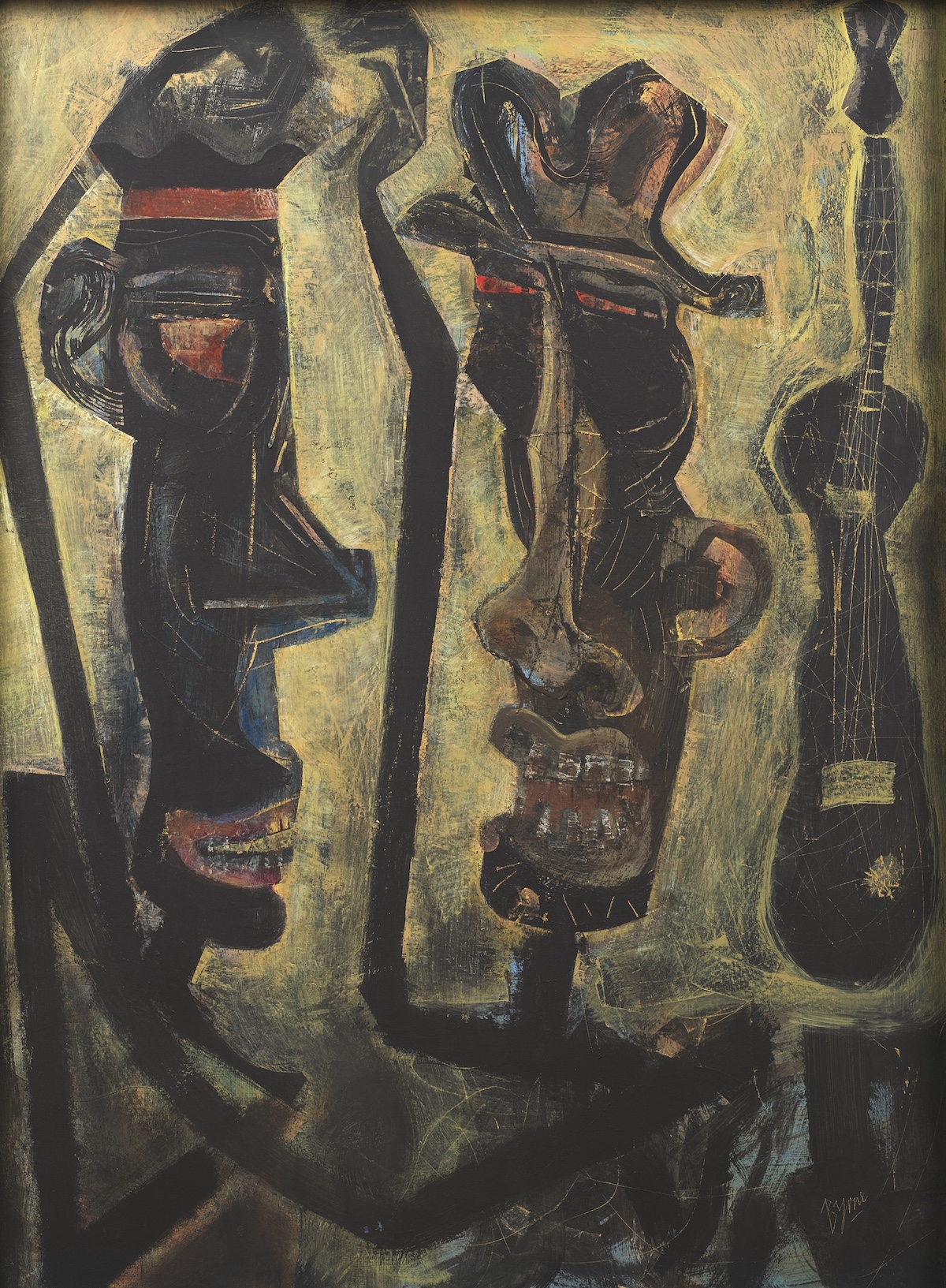
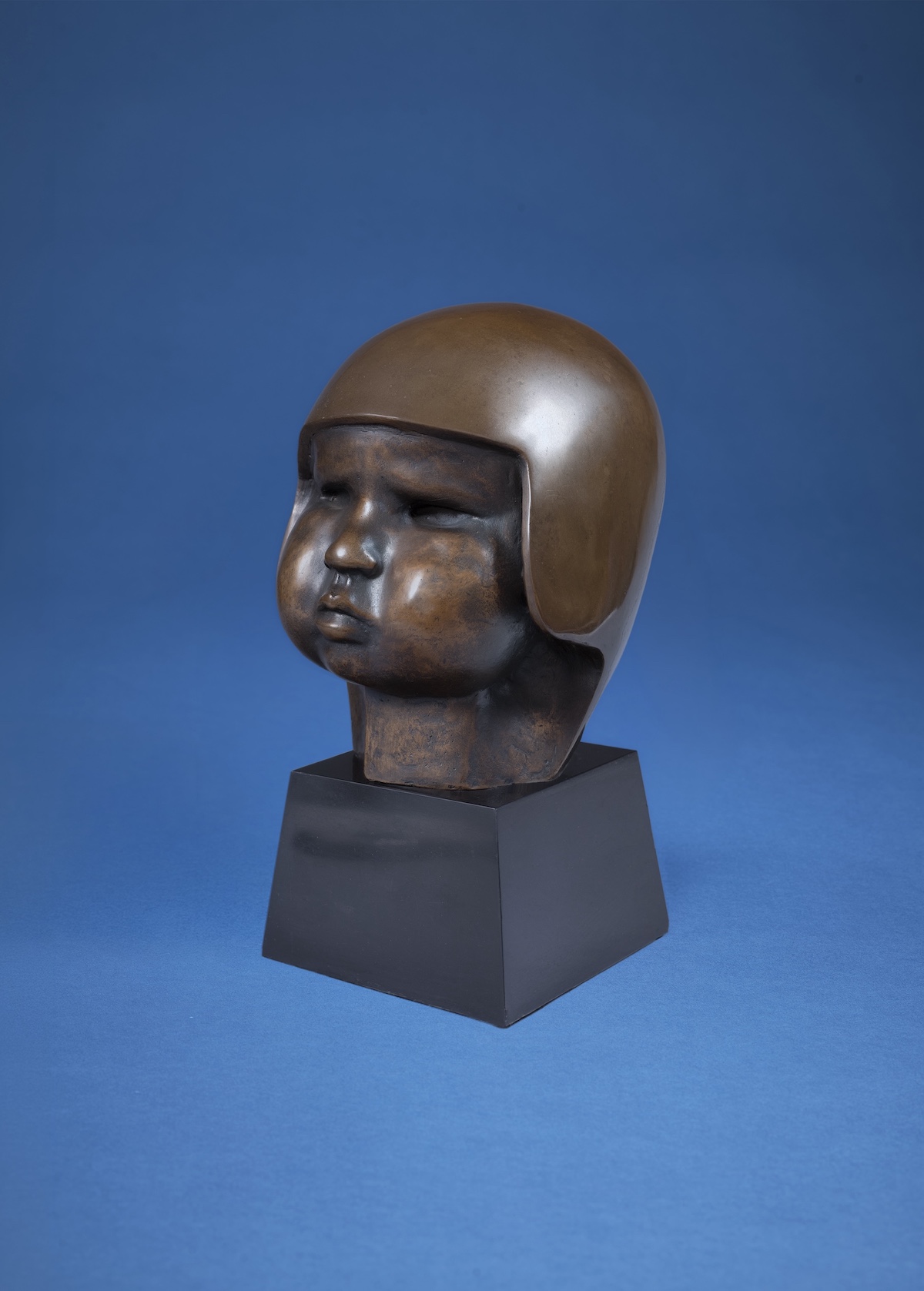
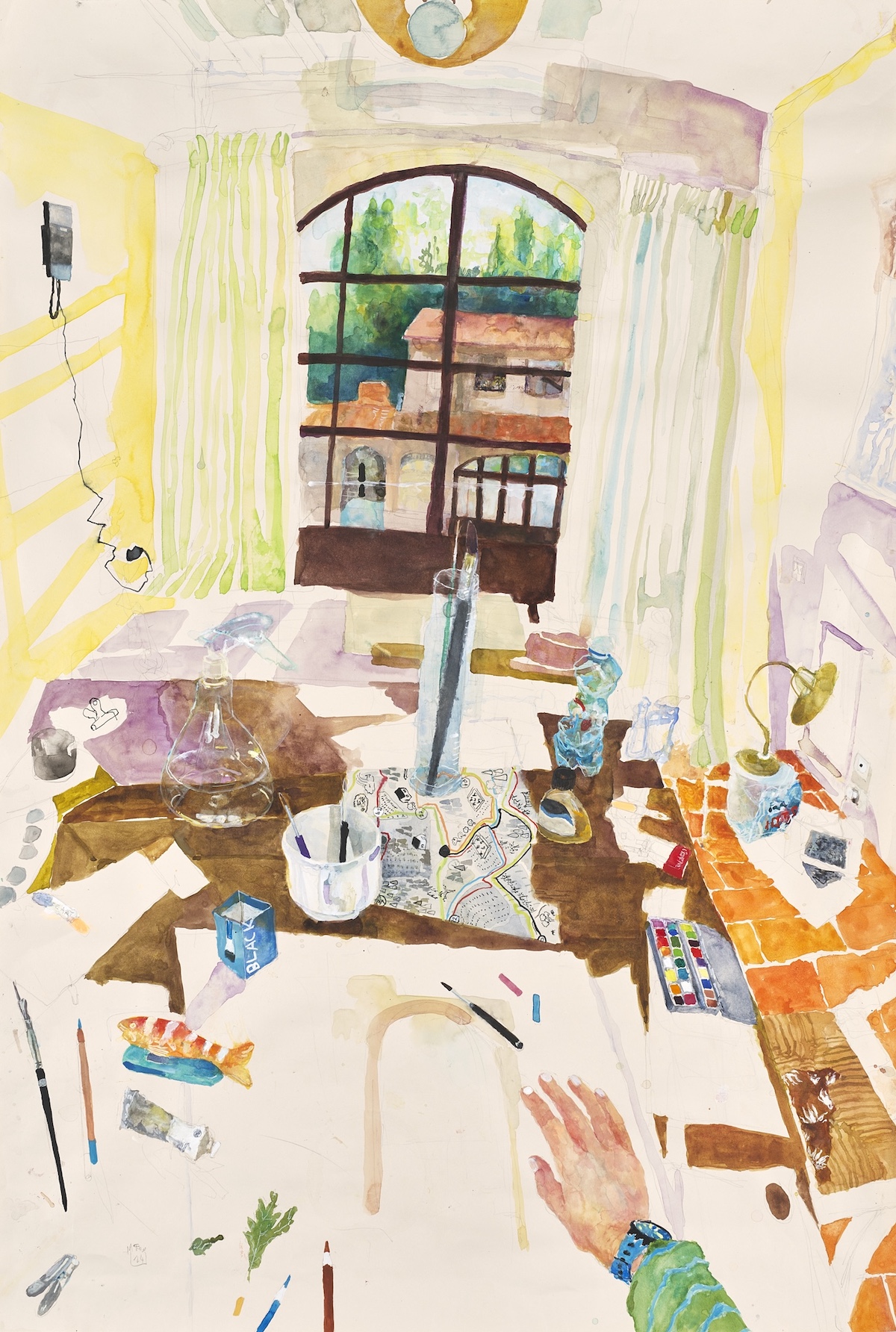
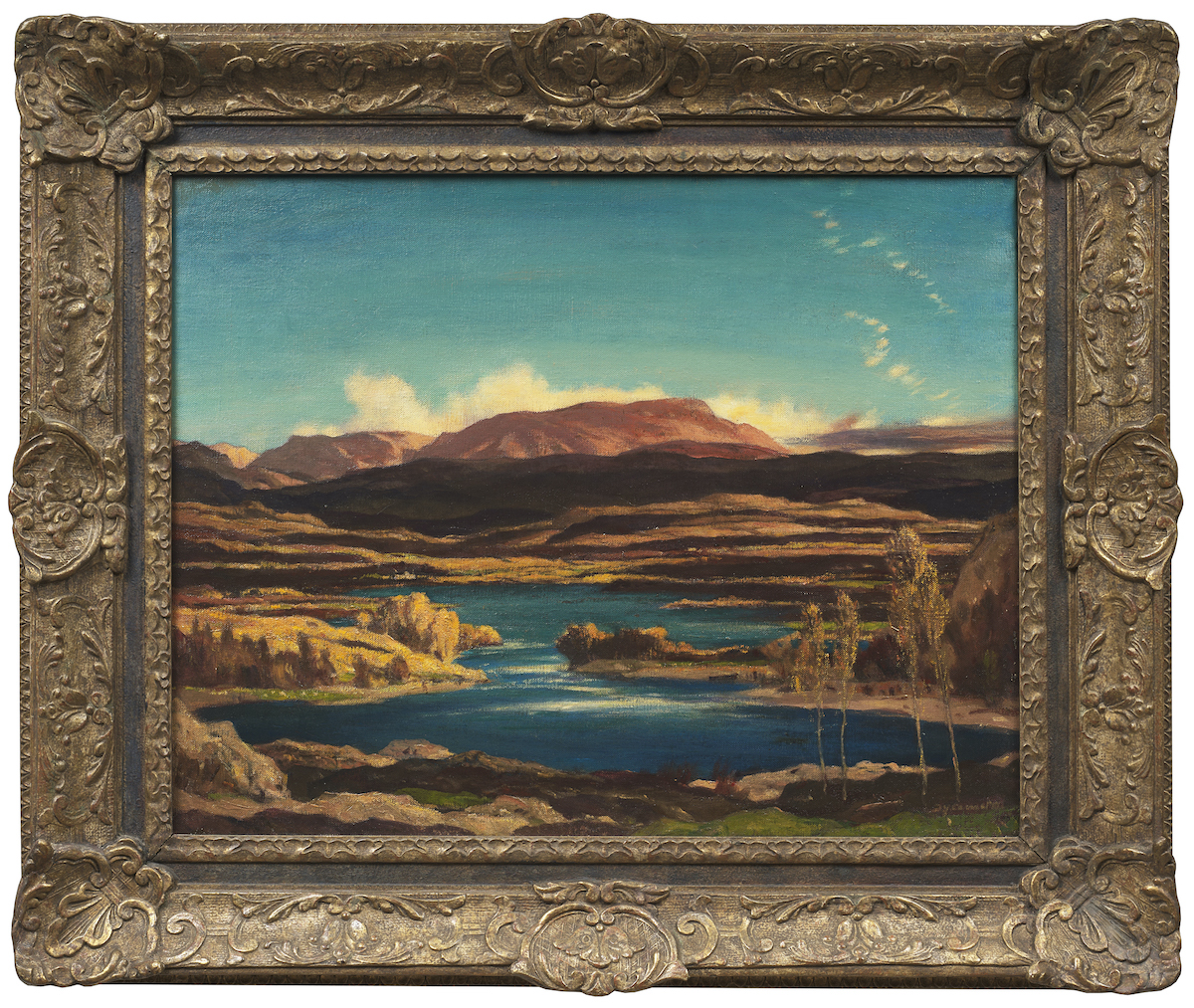
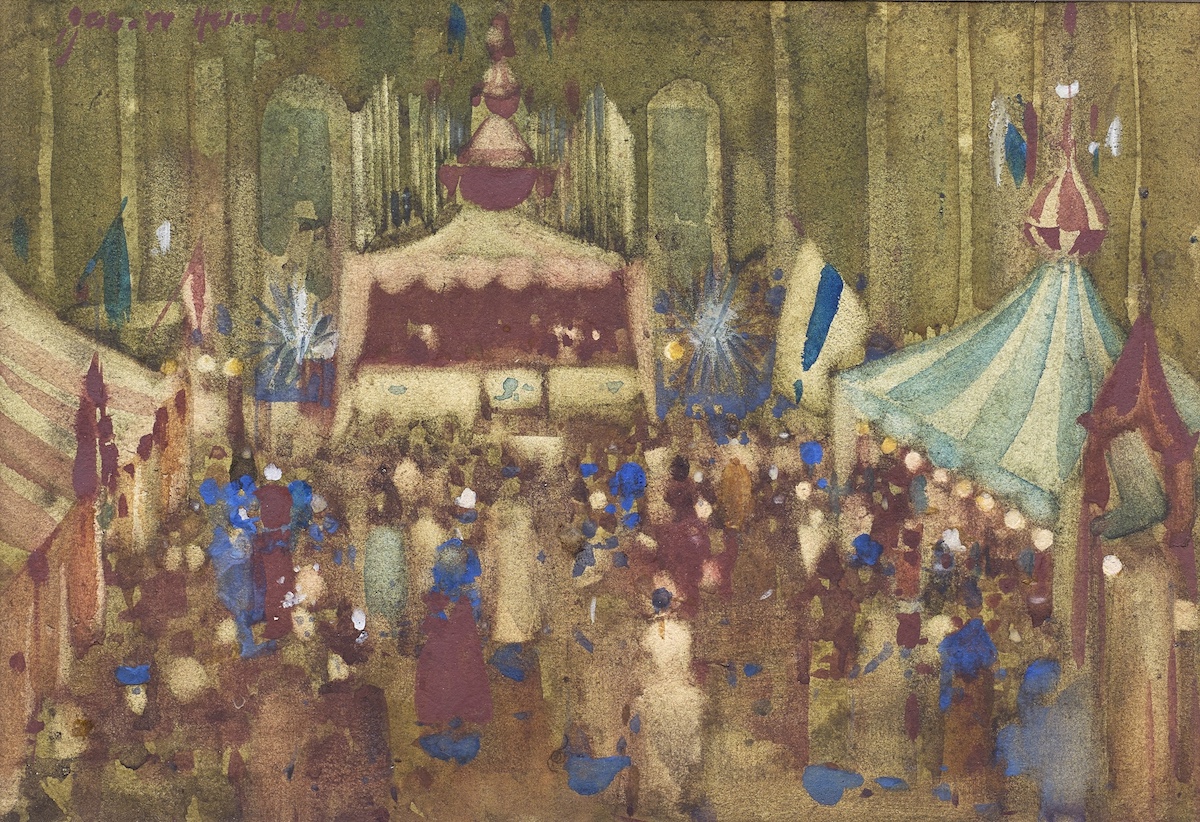
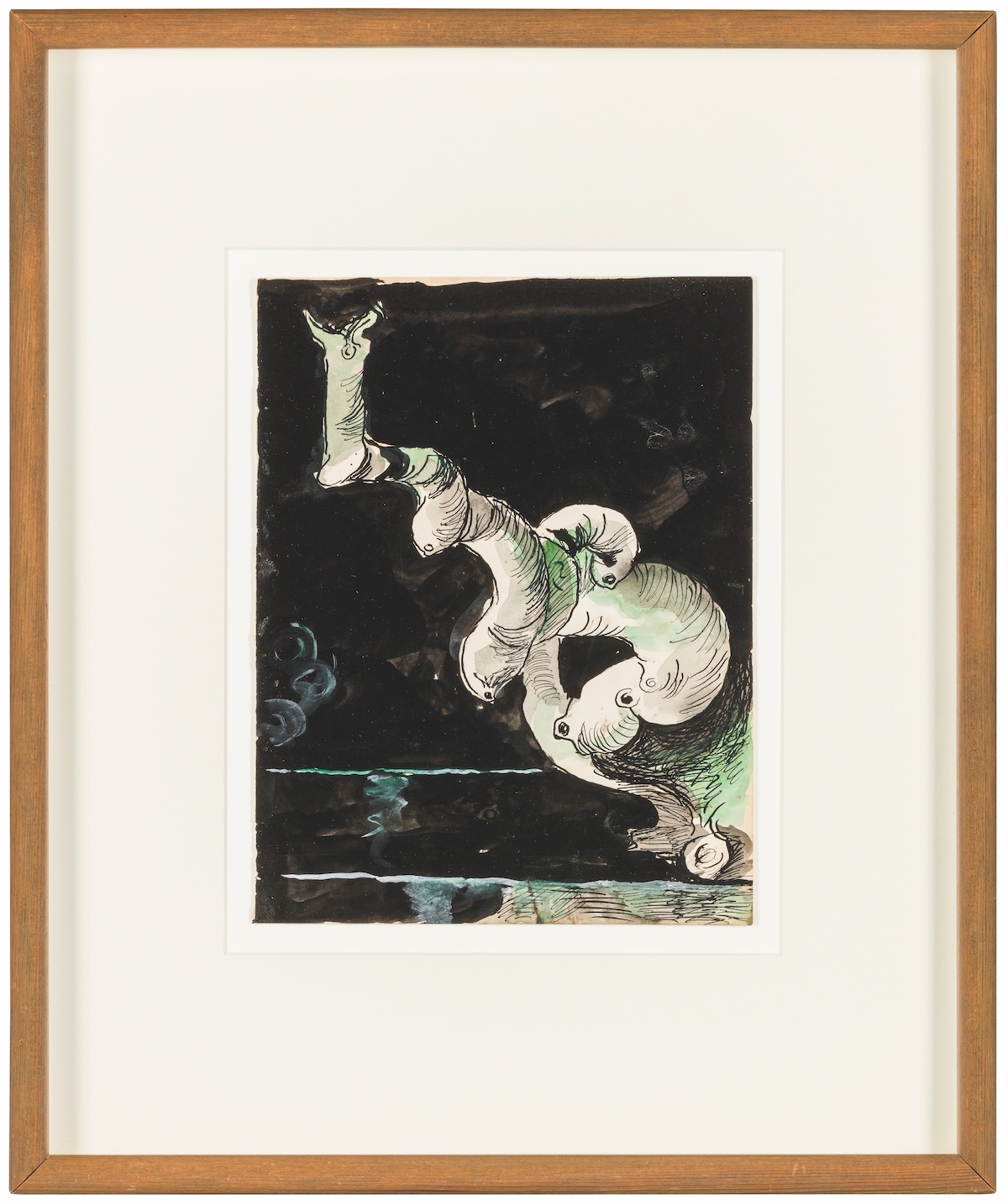
Modern British art is strongly represented through works by Graham Sutherland and Jacob Epstein, whose bronze bust of Romilly John (1907) distinctly departs from the artist’s characteristically rough-hewn sculptural realism. There is also a rare early textile design by Eduardo Paolozzi for Hammer Prints, demonstrating the artist’s experimental engagement with post-war design and industry.
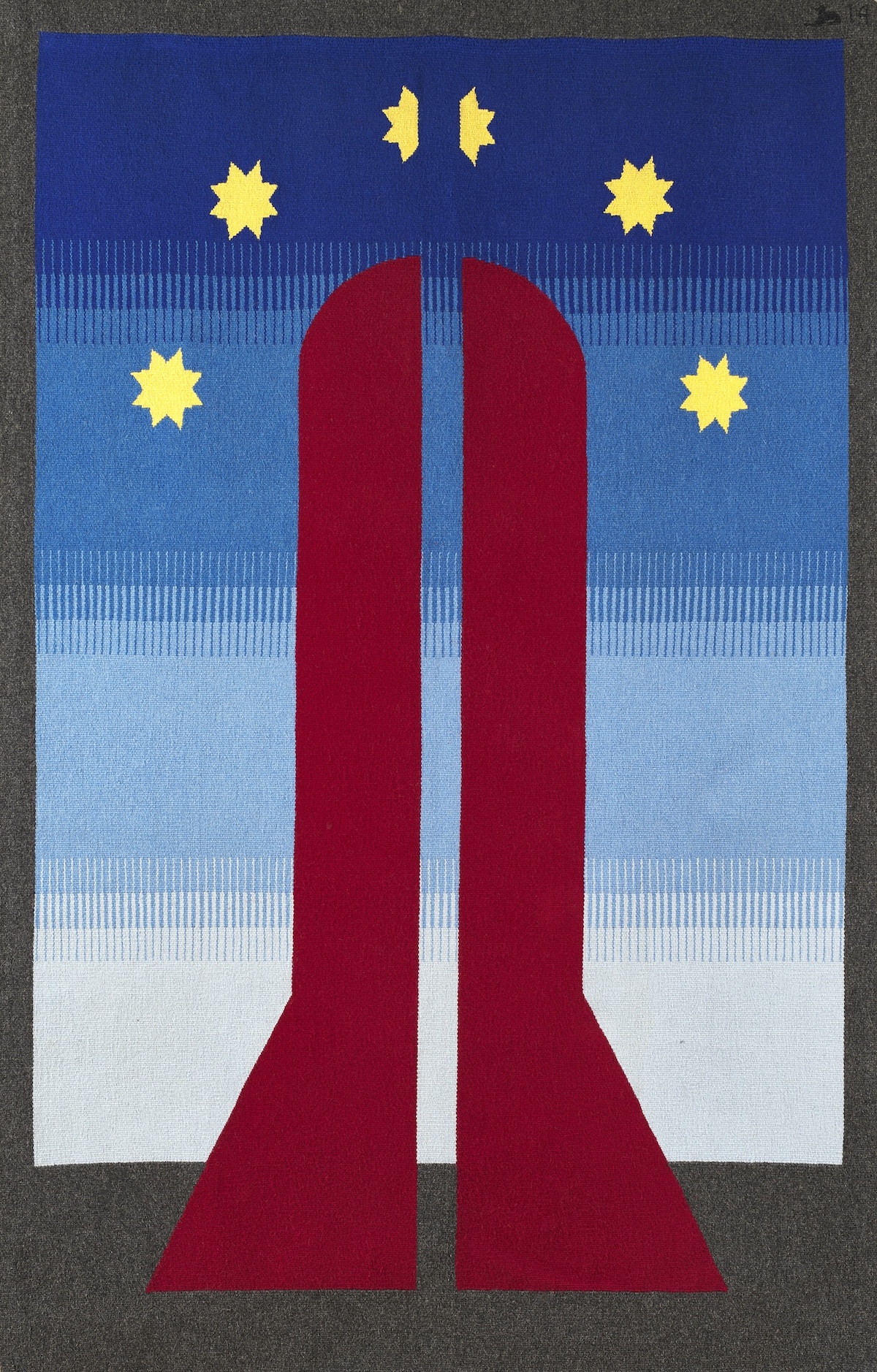
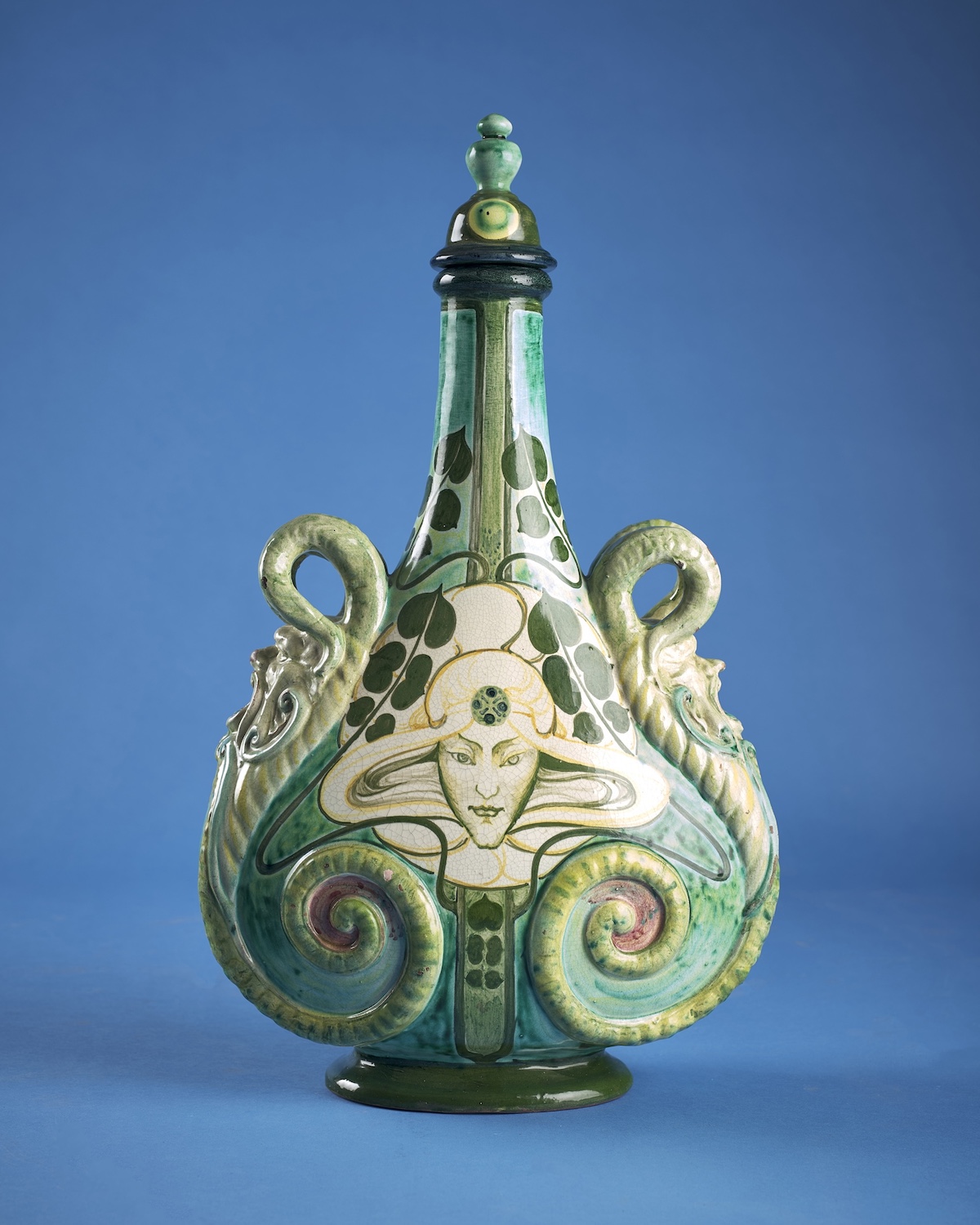
Decorative arts and design remain central to The Fine Art Society’s identity and the exhibition includes an exceptional Gothic Revival table by Augustus Pugin, an important work that reflects the gallery’s long-standing commitment to the Arts & Crafts movement and 19th-century design reformers. Further notable works include a monumental tapestry by Gerald Laing, produced during the artist’s early experimental Scottish period, and a rare textile by Edmund Dulac, who was commissioned to design the smoking room for the luxury liner Empress of Britain
Contemporary ceramics and sculpture play a major role in the exhibition, led by Philip Eglin’s colossal ceramic vessel Rosso (2024). Recently shortlisted for the Loewe Foundation Craft Prize, the work exemplifies the exhibition’s dialogue between historical tradition and contemporary innovation.
Managing Director Emily Walsh comments, This exhibition is a microcosm of our history: the Victorian era and its Scottish genre paintings and Romantic landscapes, Pre-Raphaelites and the Neo-Gothic, the Aesthetic Movement and Arts and Crafts sitting alongside Glasgow designers and British Impressionism; to the Scottish Colourists, Neo-Romanticism, Modernism and Pop Art. Intermingling throughout are living artists, borrowing from the past but making it new. As any longstanding company knows, to get to this grand age we have endured the vicissitudes of time. To be here, to tell our tale, is the result of a hard travelled journey. However, the artworks, the artists, the collectors and enthusiasts, the conservators, the framers and all those who contribute to our ecosystem, inspire and enrich.
This important 150th anniversary exhibition reflects The Fine Art Society’s enduring commitment to rediscovery, scholarship and artistic risk-taking across generations.
The Fine Art Society at 150: 1876-2026
Saturday 13th June – Monday 31st August 2026
The Fine Art Society, 6 Dundas Street, Edinburgh, EH3 6HZ